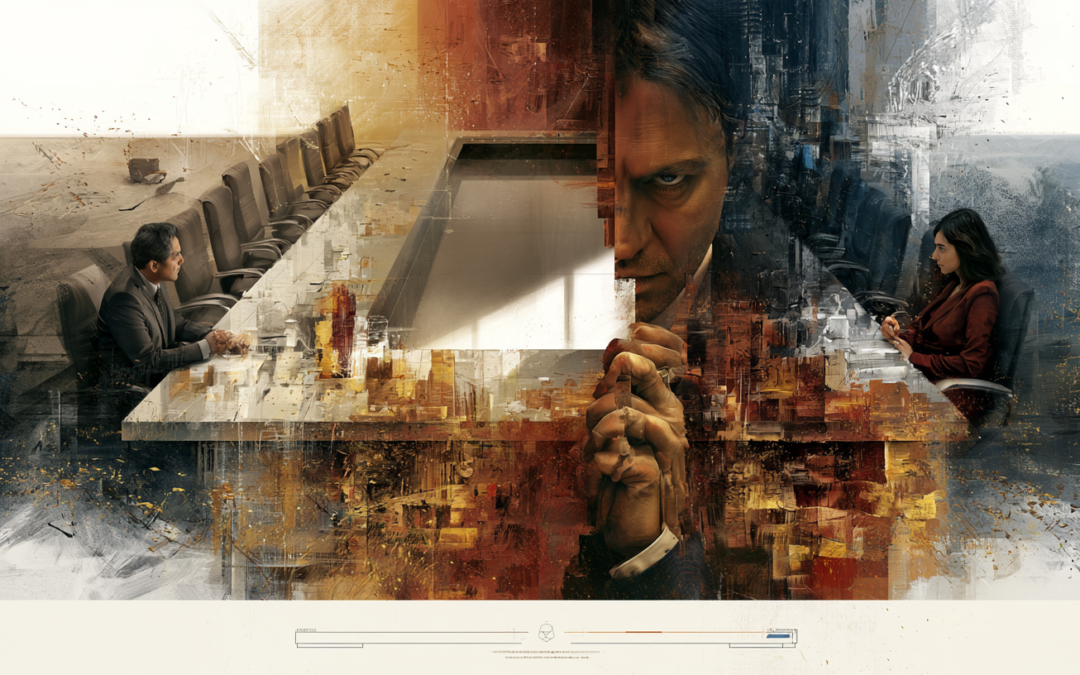
Negotiation depends on something more basic than compromise. It requires each side to accept that the other still has a legitimate place in the process. When that recognition disappears, conflict changes, and peacebuilding must begin before anyone reaches the negotiating table.

Peace is often mistaken for agreement or calm. In reality, democracy depends on something deeper: a shared enough sense of reality and the ability to recognise each other as legitimate participants in public life. This article explores how misinformation, fractured trust, and declining empathy are weakening those foundations, and why that matters for peace.

Public support for modern conflicts reveals a deeper shift. Peace is no longer seen as the absence of violence, but as alignment with safety and justice. This change is shaping what people are willing to accept.

A partial Universal Basic Income is designed to reduce income volatility, not replace work or services. This article explores what it can achieve, who benefits most, and where it can fail if poorly designed.

After Bondi, Australia needs grief before point scoring. Antisemitism must be confronted, Islamophobia resisted, and safety strengthened through practical measures, not emergency politics.

Can Australia actually afford a Universal Basic Income? This article examines current spending, tax revenue, funding options, and why a partial model is the most realistic pathway.

The days between Christmas and New Year offer a rare collective pause. This article explores why peace depends on that space, and why modern governance needs institutions designed to slow down before harm escalates.

Universal Basic Income is often discussed but rarely explained clearly. This article sets out what it is, where the idea came from, what global evidence shows, and why a partial model is the most realistic path for Australia.

Ceasefires stop guns; peace rebuilds trust. The Peace Integrity Score helps readers, policymakers, and media tell the difference, measuring inclusion, rights, justice, and durability.
